Cox Green’s rural character is shaped not only by its open fields and views, but by a rich network of mature trees, hedgerows, ponds, grassland and woodland. Together, these create valuable habitats and natural corridors through which wildlife can feed, shelter and move across the landscape.
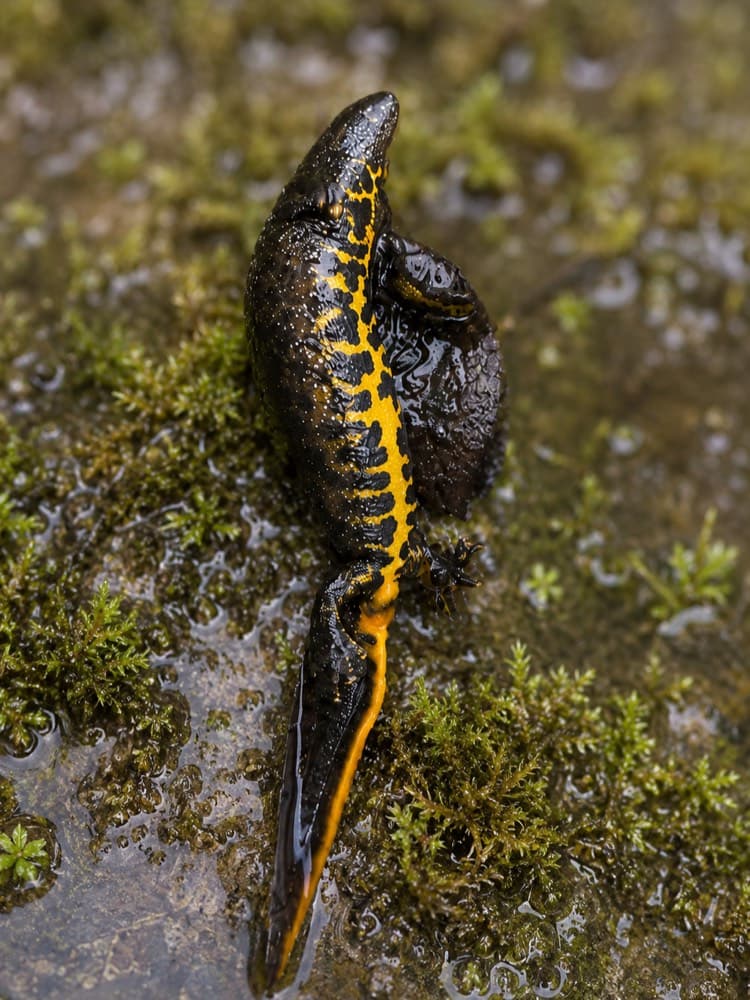
The ponds around Cox Green are particularly important. Great crested newts, a protected species, have been recorded locally, highlighting the ecological value of the network of ponds, ditches and surrounding terrestrial habitat.
Our mature trees and established hedgerows are equally significant. They provide nesting and feeding habitat for birds, shelter for small mammals and important routes for bats moving through the countryside after dark. Ecological work undertaken locally has confirmed the presence of common bat species, while some of our hedgerows have also been identified as having potential to support dormice.
The wider landscape supports many other familiar countryside species, from owls, woodpeckers and garden birds to deer, foxes, hedgehogs, amphibians and countless insects and pollinators.
Great crested newt
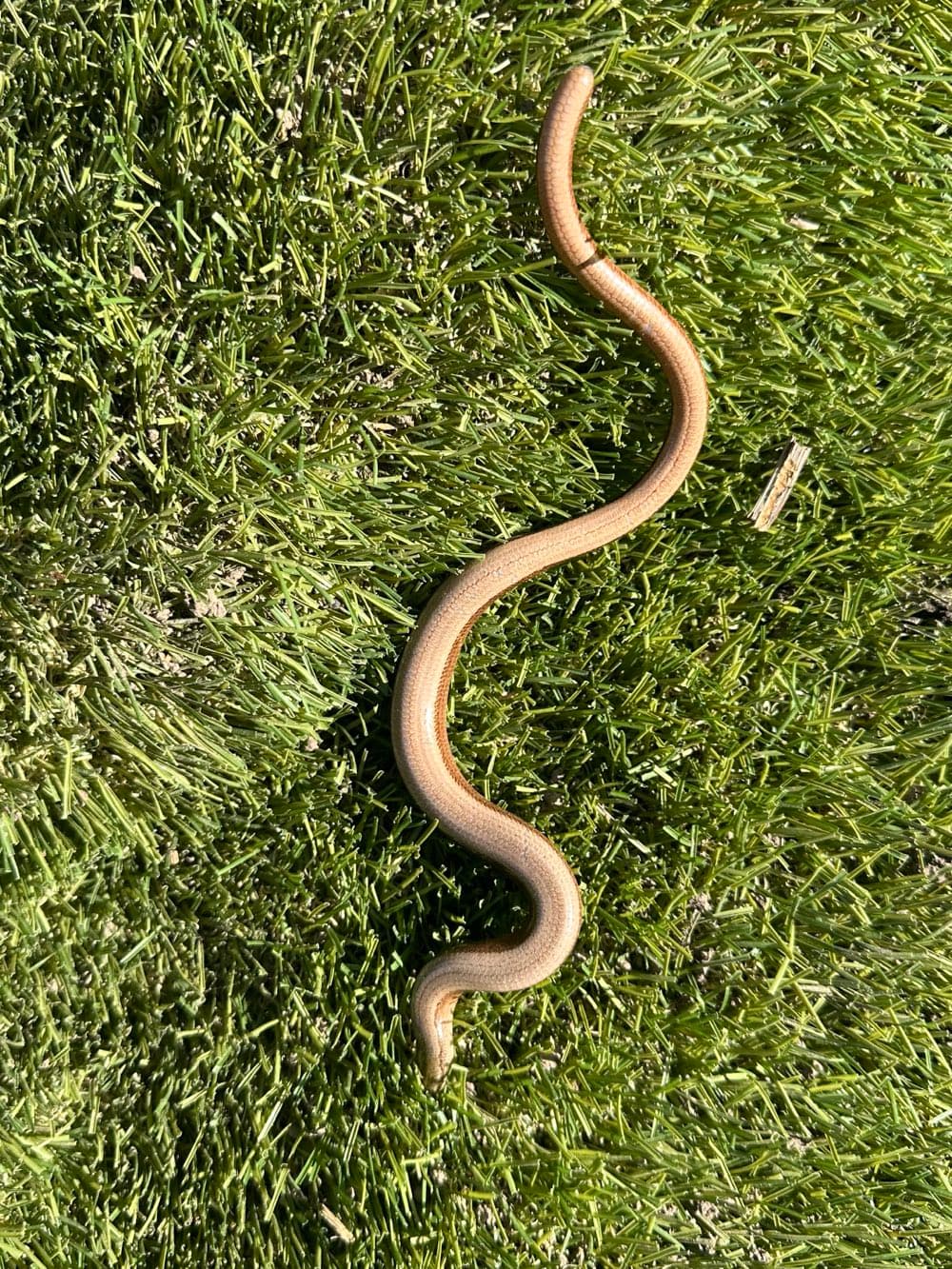
Slow worm in the grass
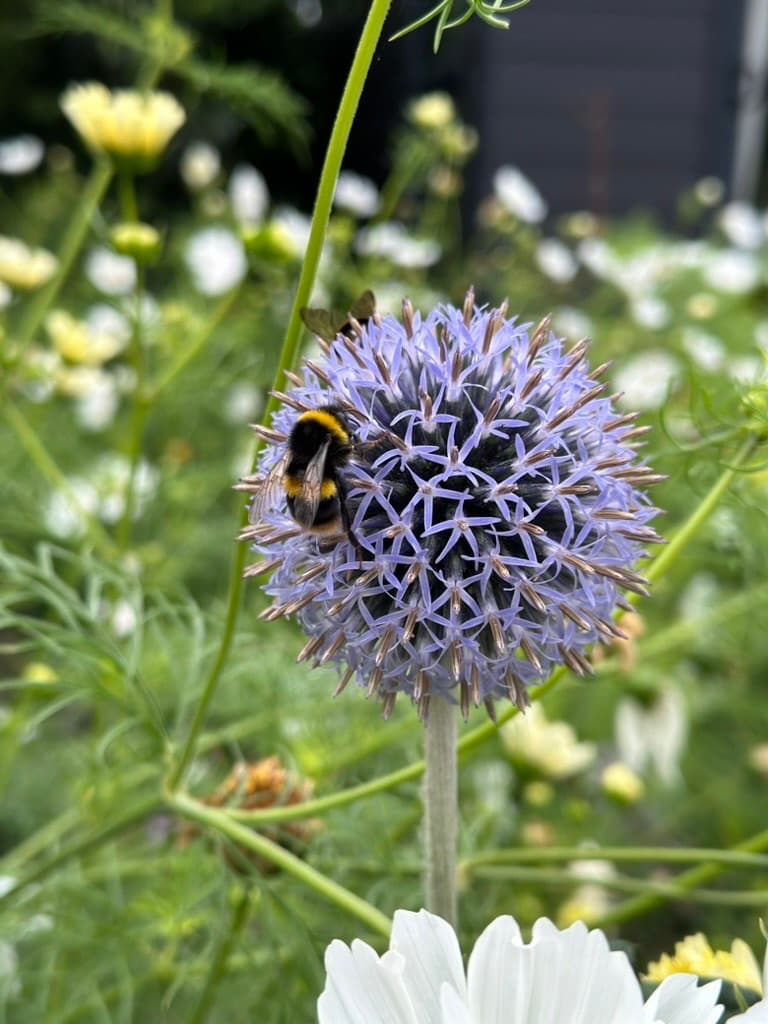
Bumblebee on a globe thistle
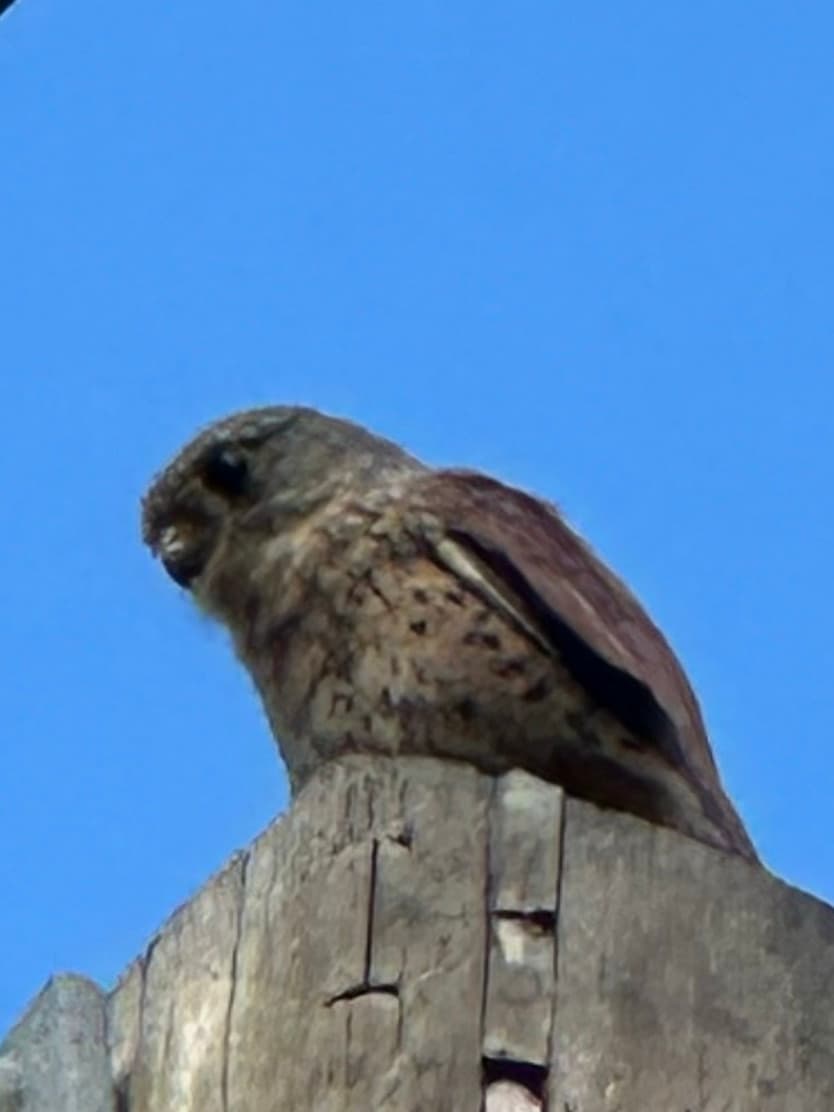
Kestrel on a post
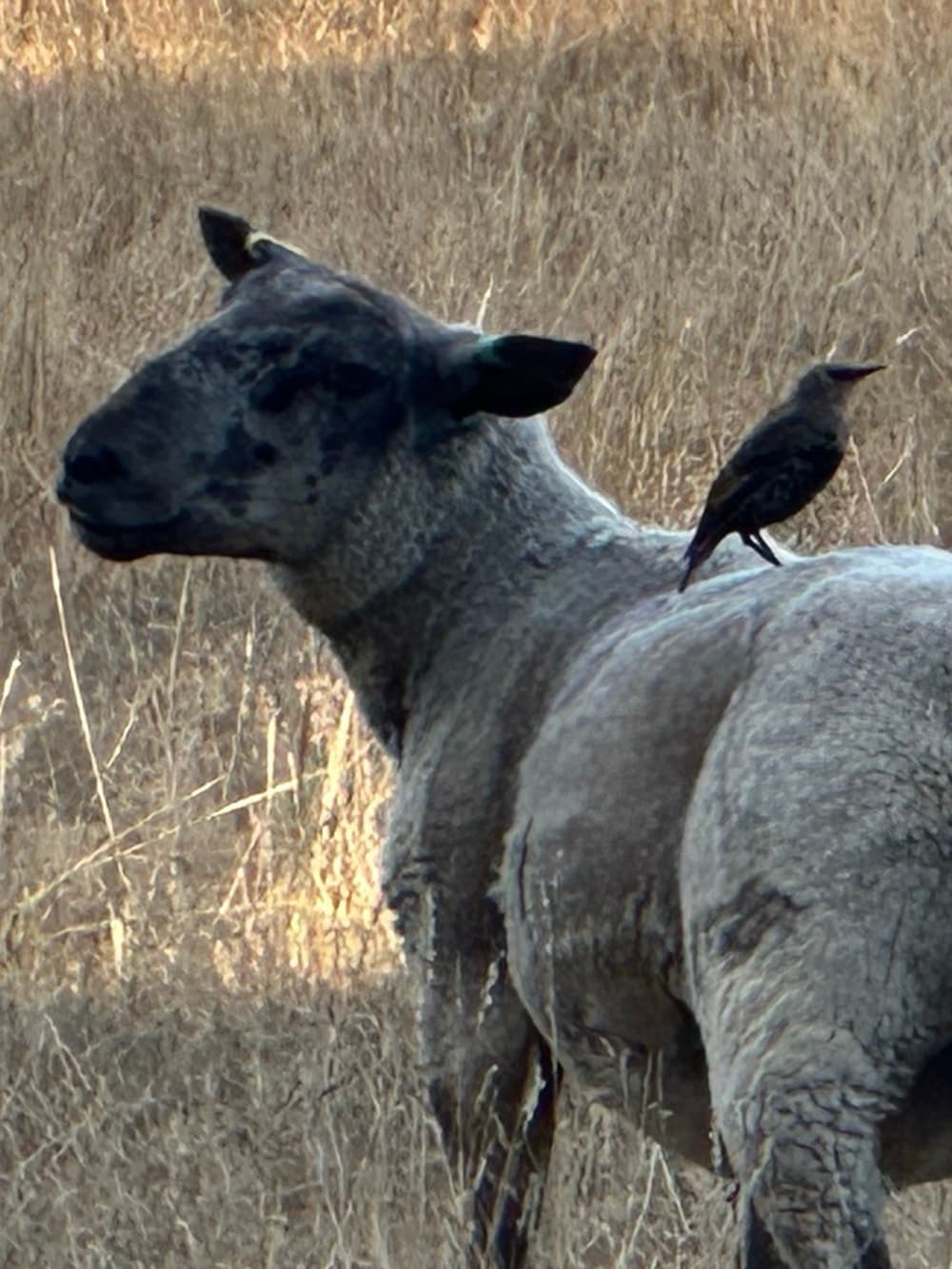
A bird hitching a ride
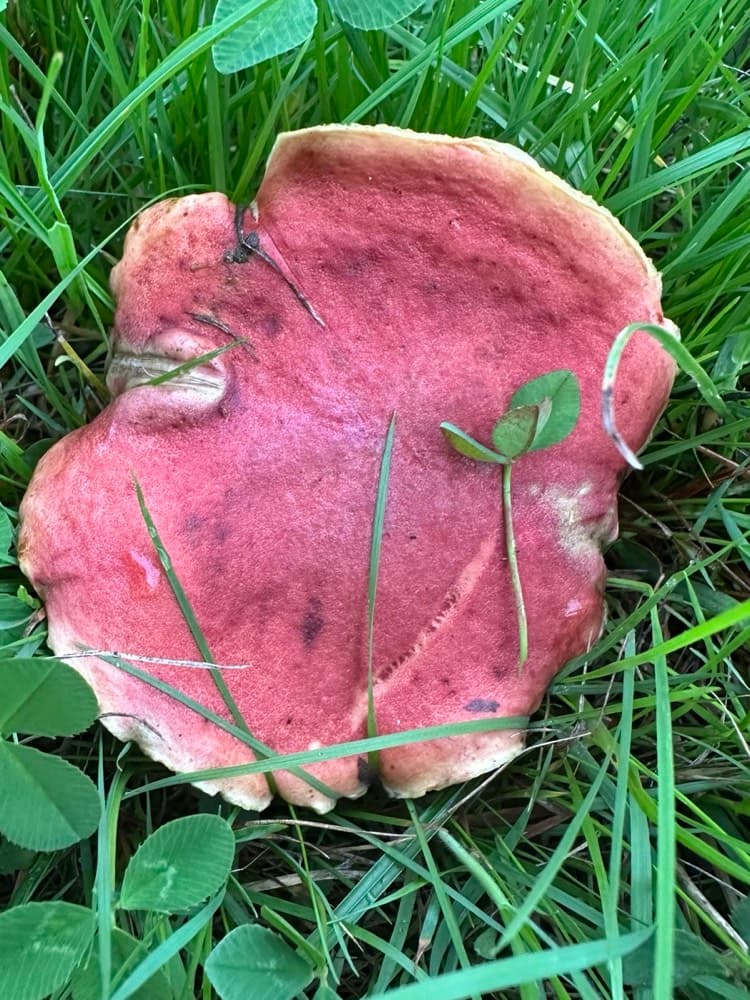
A fungus in the meadow grass
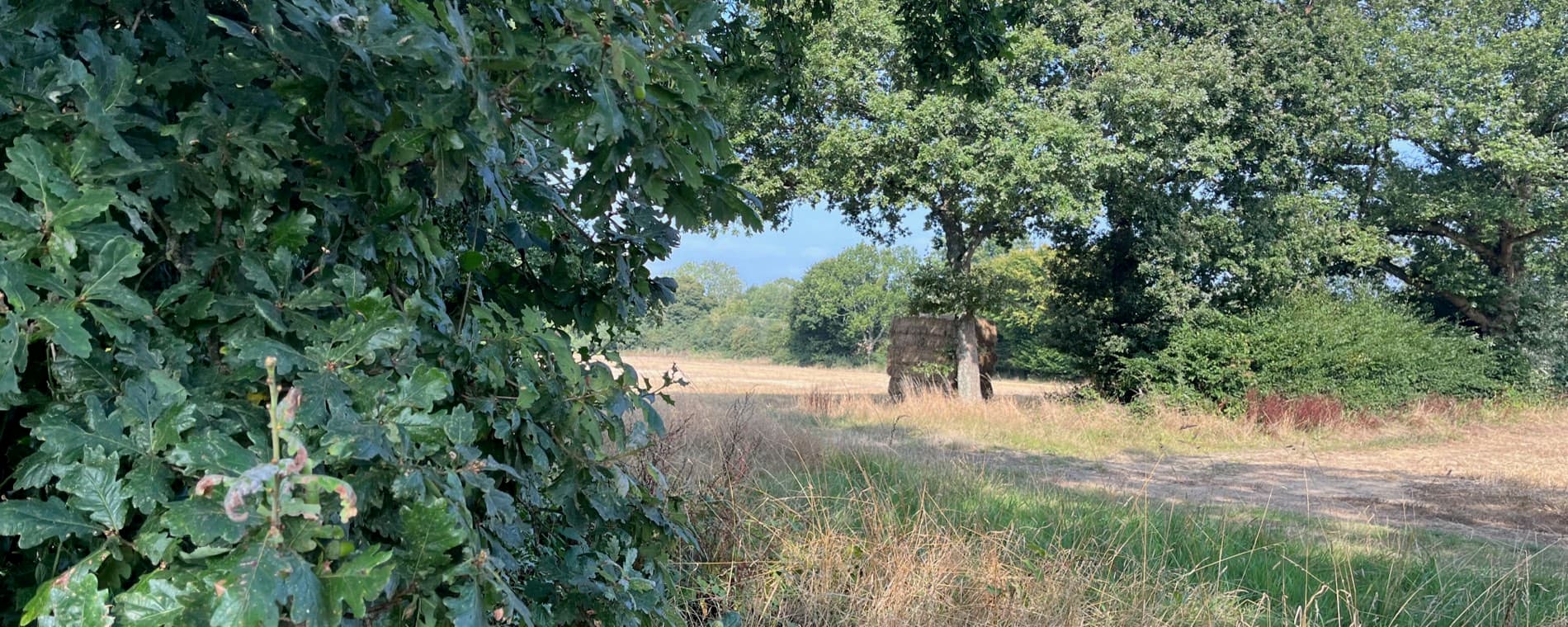
Mature trees and hedgerows
Some of Cox Green’s most distinctive natural features are its mature trees. Oaks in particular are a prominent part of the landscape, alongside species including ash, hornbeam, field maple and hawthorn.
These trees are much more than a backdrop to the hamlet. Older trees can support an extraordinary variety of life, providing cavities for nesting birds and bats, deadwood habitat for insects and fungi, and food and shelter throughout the seasons.
Hedgerows perform a similarly important role. When connected to woodland, ponds and field margins they form wildlife corridors, allowing species to move through what is otherwise an increasingly fragmented countryside.
Ponds, meadows and wet places
Small ponds, streams, ditches and seasonally wet areas add another layer of diversity to Cox Green. Even relatively modest areas of water can support amphibians, dragonflies and other aquatic life, while the surrounding rough grassland and vegetation provides essential cover.
Areas of less intensively managed grassland and wildflower-rich verges are also valuable for bees, butterflies and other pollinating insects: the species on which much of the wider ecosystem depends.
Protecting what makes Cox Green special
The wildlife of Cox Green depends upon the connections between habitats as much as the individual fields, ponds or trees themselves. A pond connected to hedgerows, mature trees, rough grassland and woodland is far more valuable than any of those features in isolation.
Understanding, recording and protecting this network is therefore an important part of preserving the rural character and biodiversity of Cox Green for future generations.
Newt, frog, toad, slow worm and lizard sightings are worth logging with the Record Pool, the national amphibian and reptile log run by Amphibian and Reptile Conservation with Amphibian and Reptile Groups of the UK. Anyone can view its map at 10km resolution; a free account is needed to see records down to 1km, which is the scale that shows anything useful here. Cox Green falls in grid square TQ0935.
Have you spotted something?
Newts, bats, owls, deer, hedgehogs, an unusual bird at the feeder: if you have a photograph or a sighting from anywhere around Cox Green, send it in.
Over time these should build into a genuine community record of the hamlet’s biodiversity, rather than a list of claims. The more residents contribute, the better the picture gets.